Natural Light Exposure
Getting natural light within 30 minutes of waking may help regulate your circadian rhythm, potentially supporting better sleep patterns and daytime alertness.
We value your privacy. This site uses essential functionality to enhance your experience. By continuing, you accept our data practices.
Small, consistent actions compound into meaningful changes that shape your energy, focus, and overall sense of wellbeing.
Sustainable wellness comes from consistent small actions rather than dramatic changes. Simple daily habits like proper hydration, regular movement, and balanced meals can support overall well-being.
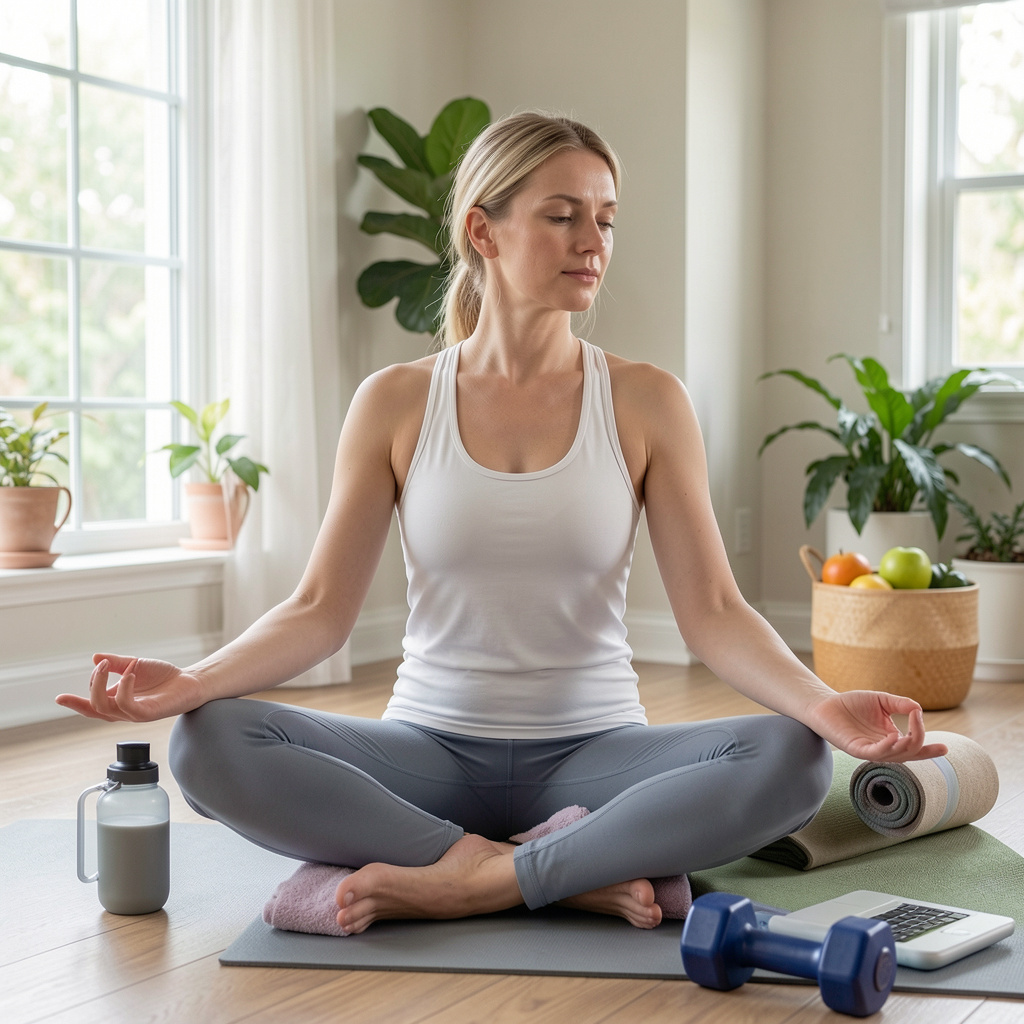
Daily wellness activities: morning stretch, midday walk, evening meal prep, nighttime wind-down routines that support balanced living.
Getting natural light within 30 minutes of waking may help regulate your circadian rhythm, potentially supporting better sleep patterns and daytime alertness.
Drinking water upon waking helps rehydrate your body after sleep. Consider having water before your morning coffee or tea.
Light stretching or a brief walk can help increase circulation and reduce stiffness after sleep, preparing your body for daily activities.
A breakfast including protein, healthy fats, and fiber may help maintain steady energy levels throughout the morning.
Taking brief breaks to stand and stretch every hour may help reduce stiffness and support circulation during sedentary work.
Eating without distractions and paying attention to hunger cues can support better digestion and help prevent overeating.
When hungry between meals, choosing whole foods like nuts, fruit, or vegetables may help maintain steady energy levels.
Taking brief pauses for deep breathing or short walks can be helpful strategies for managing daily stress.
Eating dinner at regular times may support digestive health. Consider finishing meals 2-3 hours before bedtime.
Dimming lights 1-2 hours before bed and using night mode on devices may support natural melatonin production.
Reading, stretching, or journaling are examples of relaxing activities that may help prepare your body for rest.
Keeping your bedroom at a comfortable temperature (around 65-68°F) may support better sleep quality.
Reach out to discuss how these habits can be adapted to your specific schedule and lifestyle.
Contact UsMonitoring your habits may help identify patterns and support progress toward your wellness goals.
Spend 2 minutes each evening noting what worked well and what could improve. This reflection builds self-awareness and helps you recognize progress over time.
Rate your energy levels at morning, midday, and evening. After two weeks, patterns emerge showing which habits boost or drain your vitality.
Note your bedtime, wake time, and how rested you feel. This data reveals connections between evening habits and morning energy.
Acknowledge small victories each week. Celebrating progress, no matter how minor, reinforces positive behavior and builds momentum.
Challenge: Feeling too busy to add new habits.
Solution: Start with 5-minute habits. Stack new behaviors onto existing routines. Replace time-wasting activities rather than adding to your schedule.
Challenge: Struggling to maintain consistency when enthusiasm fades.
Solution: Focus on systems, not motivation. Make habits so easy you can do them on bad days. Use environmental cues as reminders.
Challenge: Irregular work hours or travel disrupting routines.
Solution: Build flexible habits tied to events, not times. Focus on minimum viable versions you can do anywhere.
Challenge: Friends or family undermining your efforts.
Solution: Communicate your goals clearly. Find like-minded people. Remember that your health is your responsibility, not theirs.
Learn about approaches that may support your daily routine and wellness objectives.